
Indicative Queenstown market planning range (not a Ferguson Builders quote or guaranteed programme): For early 2026 planning, a high-end custom home may be considered at approximately $6,500–$9,500+ per square metre, with an indicative overall pathway of approximately 18–30 months from initial feasibility and design through move-in. These are broad market guides only, not a fixed rate, price, quote or guaranteed completion date from Ferguson Builders. The range does not automatically include GST, design or consultant fees, building or resource consents, development contributions, site works, services, landscaping or other external works; confirm the exact contract inclusions and exclusions. Site conditions, access, structure, specification, engineering, consent requirements, procurement and selections can materially change both cost and timing.
If you plan a build in the Wakatipu basin, you need honest numbers. You want to know where the money goes. You need to know where timelines slip. You must understand what decisions protect your budget before construction begins. Buyers investing millions of dollars demand transparency.
Ferguson Builders works on architectural homes and premium turnkey properties in Queenstown. Early planning should separate the site, design, specification, services and external works so the relevant allowances, assumptions and exclusions are clear before a contract is signed.
WANT AN INSTANT ONLINE ESTIMATE?
The Queenstown Tax Explained: Why Building Here Costs More
Queenstown build pricing sits above most of New Zealand for clear reasons. The land proves harder to work. The weather acts less forgiving. Access proves tighter. The local trade market remains stretched.
Clients expect a higher finish level, larger glazing packages, more engineered structure, and stronger performance across heating, insulation, and weather-tightness.
When these factors stack up, the cost of building a luxury home in Queenstown rises. You do not pay more for nothing. You pay for alpine site conditions, higher labour pressure, tighter delivery sequencing, and a premium standard of finish.
Site Excavation and Engineering on Alpine Terrain
Many local sites sit on steep, exposed slopes. Some sections cut directly into solid rock. Builders are unable to simply pour a flat concrete slab on a steep hill.
Sections frequently need:
- Benching before pouring a foundation.
- Heavy retaining walls.
- Drilled piles or engineered foundations.
- Rock breaking before visible building work starts.
On these sites, early groundwork shapes the whole budget. Excavation, spoil removal, retaining walls, drainage and structural engineering can add tens or hundreds of thousands of dollars before vertical construction begins, depending on geotechnical conditions, slope, access, retaining design, spoil disposal and service requirements.
If your section sits on a slope or has poor access, the real cost of the home starts with the ground. Specialised machinery must navigate narrow roads. Diggers and trucks require careful coordination. Spoil removal costs run high because dumping fees and transport distances add up quickly. Buyers often look at an empty section and underestimate the site preparation costs.
Labour Shortages and Premium Craftsmanship
Queenstown is an expensive place to live. Builders, foremen, joiners, tilers, and finishing trades all feel the local economic pressure. Housing costs push workers out of the district.
If you want reliable workmanship and tradespeople who turn up when scheduled, you must pay rates that keep good people in the market. A custom home builder in Queenstown must retain a trusted network of subcontractors. We rely on plumbers, electricians, and painters who understand high-end specifications. Building a trusted team takes years. Clients pay for the established network because reliable tradesmen prevent schedule blowouts.
Luxury work also needs a higher level of detail:
- Large-format finishes
- Complex cladding lines
- Bespoke kitchens
- Feature staircases
- Precise interior detailing
These elements all demand experienced hands. Cheap labour creates expensive mistakes. Premium craftsmanship carries a premium rate because the margin for error stays small and rework costs bite hard.
Supply Chain and Weather Logistics
Logistical hurdles disrupt progress on alpine builds. The geography isolates the region from major manufacturing hubs. All supplies arrive by road.
- Alpine weather disrupts ground works, crane bookings, deliveries, and exterior sequencing.
- Snow and frost halt winter concrete pouring.
- Concrete plant availability forces slab pours to move, pushing framing and follow-on trades backward.
- Transporting materials to elevated subdivisions takes more planning, more labour time, and tighter staging.
- Long lead items, such as glazing systems, specialist cladding, and imported finishes, need early procurement.
- Tight sites reduce storage, meaning materials arrive in smaller, carefully timed loads.
If you want a broader pricing breakdown, read our honest discussion on square metre rates in Queenstown. Knowing the true build cost per square metre in Queenstown requires understanding these hidden logistics.
Realistic Timelines: From Land Purchase to Handover
A structured timeline protects you from false expectations. Build problems start when buyers assume site purchase, design, consent, civil works, and construction will flow without interruption.
The safest path maps each stage early, identifies the choke points, and builds decisions around them.
If you live overseas or outside the region, the process matters even more. Every delayed approval or missing selection adds cost while the clock keeps moving. Holding costs compound quickly on multi-million-dollar investments.
Phase 1: Feasibility, Design and Consenting
This stage covers briefing, concept work, preliminary pricing, architectural drafting, consultant input, and the consent process. Good early builder involvement helps keep plans aligned with the actual budget, rather than drifting into a design that fails on pricing down the line.
Architects draw beautiful concepts. Builders price the real-world execution. Combining the two perspectives early saves time. QLDC’s statutory processing timeframe is generally 20 working days once a complete application has been accepted and the required fee has been paid. Requests for Information stop the statutory clock until the requested information is supplied, and design, engineering, resource-consent and pre-lodgement work can add substantially to the elapsed programme. Review the current QLDC building consents process to understand local compliance.
The biggest hidden delay in this phase involves waiting for subdivision titles to issue.
A delayed title can postpone settlement, construction finance drawdown and some consent or procurement decisions. Design, feasibility, geotechnical and pre-lodgement work may still progress, depending on the land contract and the applicant’s authority to act. Developers often promise title dates extending past their estimates. You must plan for title delays when purchasing untitled land.
Phase 2: Earthworks and Foundation
This phase decides whether the rest of the programme stays intact. Wet weather, frozen ground, or poor site access slows everything down. Heavy machinery requires safe operating conditions.
The sequence must happen in the exact right order:
- Rock breaking and excavation
- Retaining walls and drainage
- Under-slab services
- Slab preparation and pouring
Once the site is shaped and engineered, inspections are finished, and the slab pour locks in the base for the whole build. If the ground package was under-scoped at the start, budgets usually get hit first here. Civil engineering dictates the pace. A solid foundation ensures the framing goes up true and straight.
Phase 3: Vertical Construction and Fit-Out
Once the slab sets, the home starts to move in a more visible way, requiring disciplined sequencing. Framing, roof structure, weather-tightness, internal services, linings, joinery, finishes, and final detailing all need clean coordination. Premium homes either stay organised or become stressful during this phase.
If you want examples of the work involved, view our new builds and architectural homes. Typical vertical construction and fit-out stages include:
- Structural framing and roof installation.
- Windows, exterior cladding, and weather-tightness completion.
- Plumbing, electrical, HVAC, and insulation routing.
- GIB, stopping, interior doors, and custom cabinetry.
- Tiling, flooring, painting, and feature finishes.
- Final fixtures, defect resolution, inspections, and handover.

Custom Architectural Build vs Turnkey Luxury Home: Which Makes Financial Sense?
A custom architectural build gives you full control over the design, layout, specification, and finish schedule. The control carries financial pressure. You need to make hundreds of decisions across design, engineering, selections, and procurement.
Each decision affects price and time. If inflation moves, finance costs rise, or material lead times stretch, your budget absorbs the impact. A custom build suits buyers who want a home shaped around their exact priorities and are prepared for a longer, more hands-on process. You choose the exact tapware, the specific stone benchtops, the cladding type, and the heating system. The level of customisation demands significant mental energy. Remote buyers sometimes find the sheer volume of choices exhausting.
A turnkey luxury home changes the risk profile. You buy a completed product or a fixed-price home already heading toward completion. A completed or turnkey purchase can provide greater price and specification certainty than managing a custom build, but the contract still determines inclusions, variations, settlement timing, weather-risk allocation and any remaining completion requirements.
For many buyers, especially those living overseas or balancing multiple business commitments, the certainty proves worth more than total design freedom. Purchasing turnkey homes in Queenstown offers immediate solutions. The builder manages the trades. The right choice depends on whether you value control first or certainty first.
|
Option
|
Price Certainty
|
Timeline to Move-In
|
Project Management Stress
|
|
Custom Architectural Build
|
Lower. Budget shifts with design changes, inflation, and site discoveries.
|
Longer. Timing depends on design, consent, site conditions, procurement and the contract programme.
|
Higher. Ongoing decisions, approvals, and coordination required.
|
|
Turnkey Luxury Home
|
Higher. Price is fixed before settlement or handover.
|
Shorter. Move-in date is clearer and often immediate.
|
Lower. Fewer moving parts for the buyer to manage.
|
If fixed-price certainty suits your situation better, explore our available turnkey property listings. We build high-end properties designed specifically for the Queenstown market, giving buyers an immediate path to ownership.
What Shapes Queenstown Build Costs
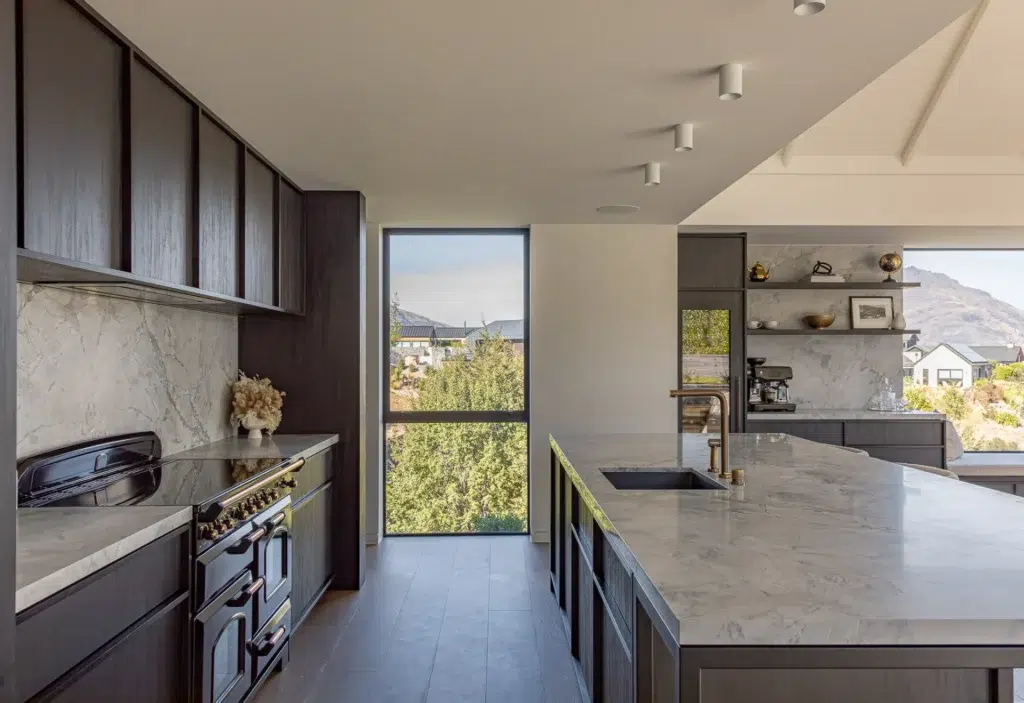
Every project is affected by its own design and site conditions. Compare early estimates only against a defined scope and clearly stated inclusions, exclusions and assumptions.
Why Partner With Ferguson Builders for Your Queenstown Project?
Before appointing a builder, record the assumptions behind the preliminary budget and programme in the project documentation. Confirm who is responsible for consultants, consent documentation, council responses, procurement, selections and variations.
If you will be outside Queenstown, also agree the communication method and reporting frequency for the project. These items should be set out for the specific project rather than assumed from general marketing.
Points to confirm before signing:
- The scope, allowances, inclusions and exclusions.
- The basis of the programme and how it will be updated.
- Responsibility for consent documentation and council correspondence.
- How progress, selections, variations and cost-sensitive decisions will be recorded.
Frequently Asked Questions About Building in Queenstown
No. In many cases, you get a better outcome if the builder joins the process early. An architect shapes the design intent, though early builder input keeps the design tied to the real budget, site constraints, and build sequencing.
Early collaboration reduces the risk of developing plans needing painful cuts once pricing lands. The strategy also helps with practical issues, such as buildability, procurement timing, and identifying where structural complexity adds cost without adding enough value. We work alongside local architects to ensure the proposed design matches the financial reality.
Title delays create a real finance problem because many buyers are unable to draw down a standard construction mortgage until the title is issued. During the gap, holding costs keep running.
You need cash reserves to carry the land, fund design work, cover consultants, or absorb delay-related costs while waiting for the site to become finance-ready. If the risk feels too exposed, a pre-built turnkey home gives you a cleaner path because the price and timing are easier to lock in.
Turnkey purchases usually require a standard deposit with the balance due upon settlement, completely avoiding the progressive drawdown stress of a custom build.
Yes. The key is structure. Remote clients need one clear communication line, a reporting rhythm, and a team keeping decisions moving before small delays turn into larger ones.
Agree the communication method, update frequency, milestone reporting and decision points with your builder before the contract is signed, so you stay informed without being on site every week. You still need to provide timely answers and a clear brief, though you do not need to live in Queenstown to run a successful project if the communication loop is handled properly.
Ready to Discuss Your Queenstown Build?
If you are planning a Queenstown build, an early conversation helps you test your budget, site risks, timing pressure points and whether a custom build or turnkey path suits your situation.
Contact our Queenstown build team to schedule an appointment.